Witchcraft is a diverse and multi-faceted spiritual practice that has evolved over thousands of years. It draws on various traditions, beliefs, and techniques that range from folk magic to formalized systems like Wicca. Here’s an overview of how to approach witchcraft:
Understanding Witchcraft
- Definitions and Beliefs:
- Witchcraft often involves the use of natural and supernatural elements to influence one’s life or the world around them. Beliefs can go from working with deities, nature spirits, or the energy of the universe to personal empowerment and healing.
- Wicca and Other Traditions:
- While Wicca is a recognized religious practice within the broader field of witchcraft, many forms of witchcraft may not adhere to any specific religious doctrine. Folk traditions, paganism, and shamanism all feature practices that could be classified as witchcraft.
Tools and Components
- Cleansing and Grounding:
- Before starting any witchcraft practice, it’s essential to ground yourself and cleanse your space. This can be done through meditation, visualization, or using tools like salt or sage to purify the environment.
- Tools of the Craft:
- Common tools include:
- Wands: Used for directing energy.
- Athames: Ritual daggers for ceremonial work.
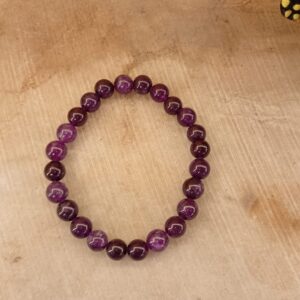
- Crystals: Each with unique properties for healing or intention-setting.
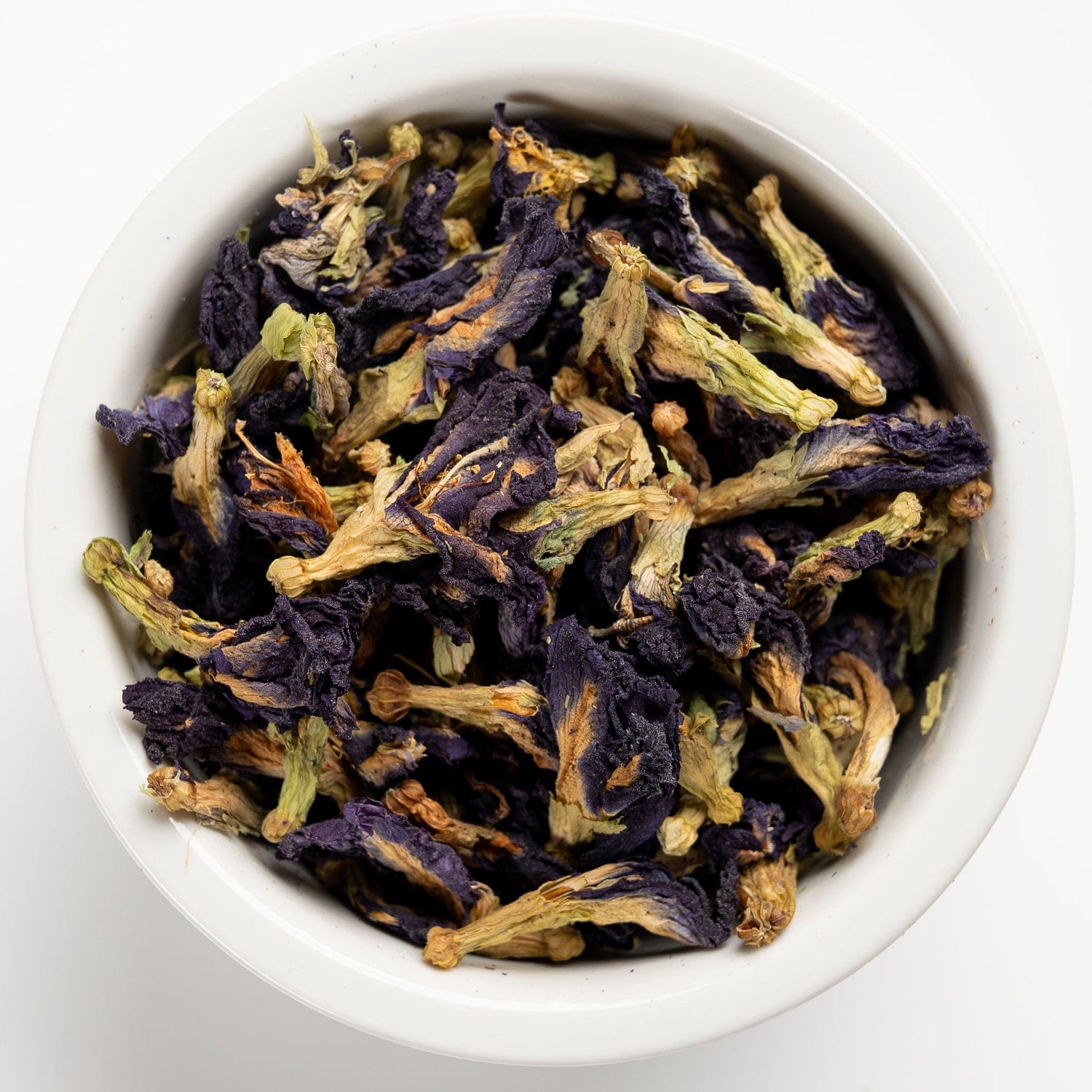
- Herbs: Used in spells for their natural energies, often incorporated in teas or tinctures.
- Common tools include:
- Spells and Rituals:
- Spells often involve combining various elements like spoken words (incantations), physical tools, and intentions. Common types of spells include:
- Protection Spells: To guard against negativity.
- Healing Spells: To promote health and well-being.
- Manifestation Spells: To attract desired outcomes.
- Spells often involve combining various elements like spoken words (incantations), physical tools, and intentions. Common types of spells include:
- Cycle of the Moon:
- Many practitioners follow lunar cycles, performing different rituals during the new moon for beginnings and the full moon for completion and abundance.
Ethical Framework
- Witchcraft often comes with a strong ethical framework. The Wiccan Rede—“An it harm none, do what ye will”—is a popular guideline, emphasizing personal responsibility and consideration of the consequences of one’s actions.
Learning and Community
- Many people learn witchcraft through books, online courses, or community groups. There is a wealth of literature available on different practices, correspondences, and rituals. Engaging with communities through forums or local meetups can provide support, knowledge, and camarader.